PROTECT MORE FEED FROM HARVEST TO
FEED-OUT
DUAL-ACTION SILAGE INOCULANT FOR FASTER FERMENTATION & LONGER-LASTING STABILITY
Features
Fast Fermentation + Cool Feed-out: The only inoculant delivering both rapid acidification and extended aerobic stability.
Dual-strain technology:
- Lactococcus lactis O-224 - drives early lactic fermentation, quickly lowers pH.
- Lactobacillus buchneri LB1819- converts lactic to acetic acid, suppressing yeasts & moulds.
Proven Dry Matter Recovery: Up to 1.7 t DM per ha saved vs untreated silage.
Improved Feed Stability: Average 481 hours (≈ 20 days) longer aerobic stability across 9 global trials.
Reduces Nutrient Loss and Waste: Protects against heating, mould, and secondary fermentation.
Scientifically Proven Worldwide: Documented in > 20 peer-reviewed studies on corn, grass, alfalfa, and tropical forages.
Suitable for All Ensiling Systems: Bunker, stack, bag, and bale. Works in both temperate and high-moisture conditions.
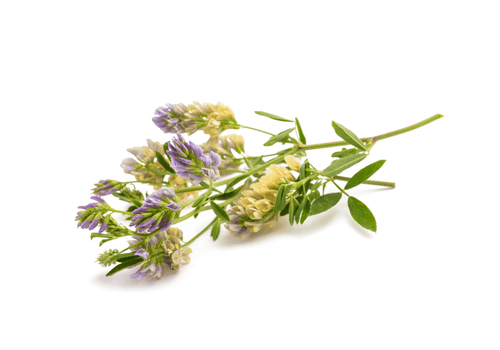
SILOSOLVE FC - secure your feed quality with the next generation silage inoculant
SILOSOLVE combines two proprietary bacteria - Lactococcus lactis O-224 (DSM 11037) and Lactobacillus buchneri LB1819 (DSM 22501) - to deliver fast fermentation, rapid pH drop, and exceptional aerobic stability at opening.
In New Zealand’s grass, maize, and mixed-crop silage systems, SILOSOLVE FC protects valuable dry matter, preserves true feed energy, and reduces heating and spoilage losses common in bunker and stack silos.
Performance at every level
Across nine independent trials, SILOSOLVE FC increased aerobic stability by +481 hours (≈ 20 days).
Corn and grass silages showed temperature control benefits up to 66 % cooler at feed-out vs untreated silage.
Economic returns of ~ US $18 per ton DM from reduced loss and better feed value.
The science - how SILOSOLVE FC works
Silage quality depends on how fast oxygen is removed and fermentation begins. SILOSOLVE FC establishes anaerobic dominance within hours, producing lactic acid rapidly to lower pH below 4.0, while preventing spoilage organisms from regrowing at feed-out.